



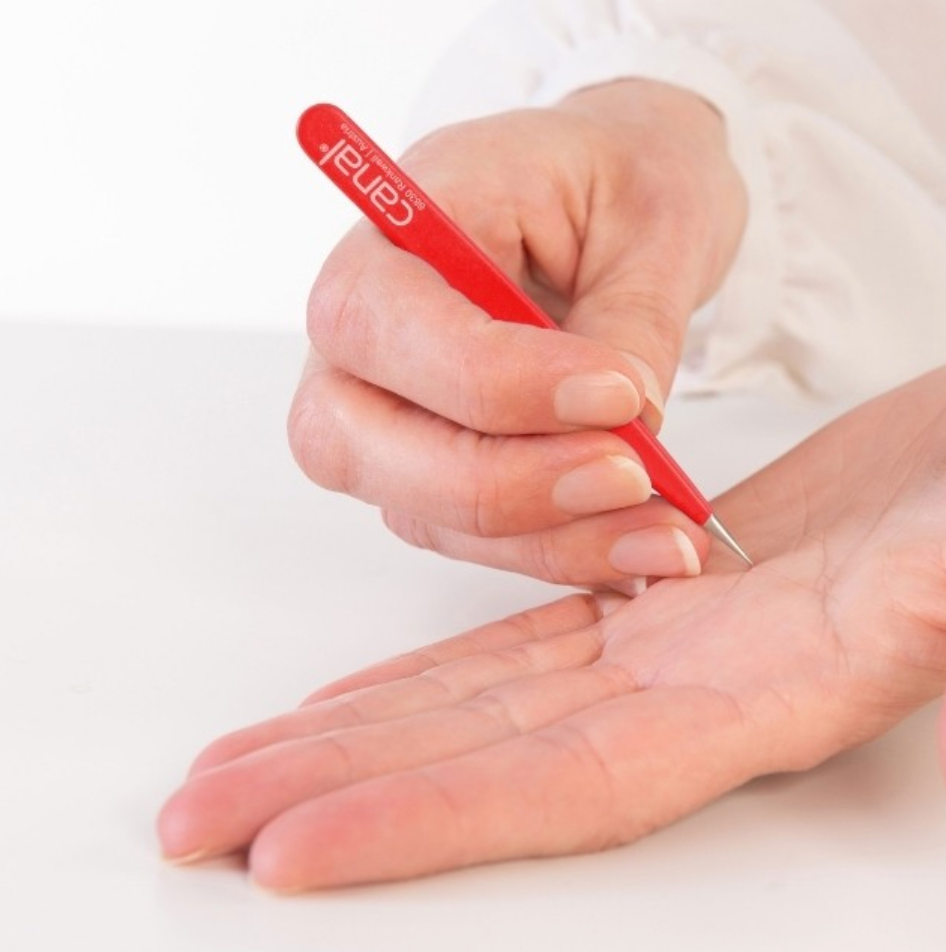
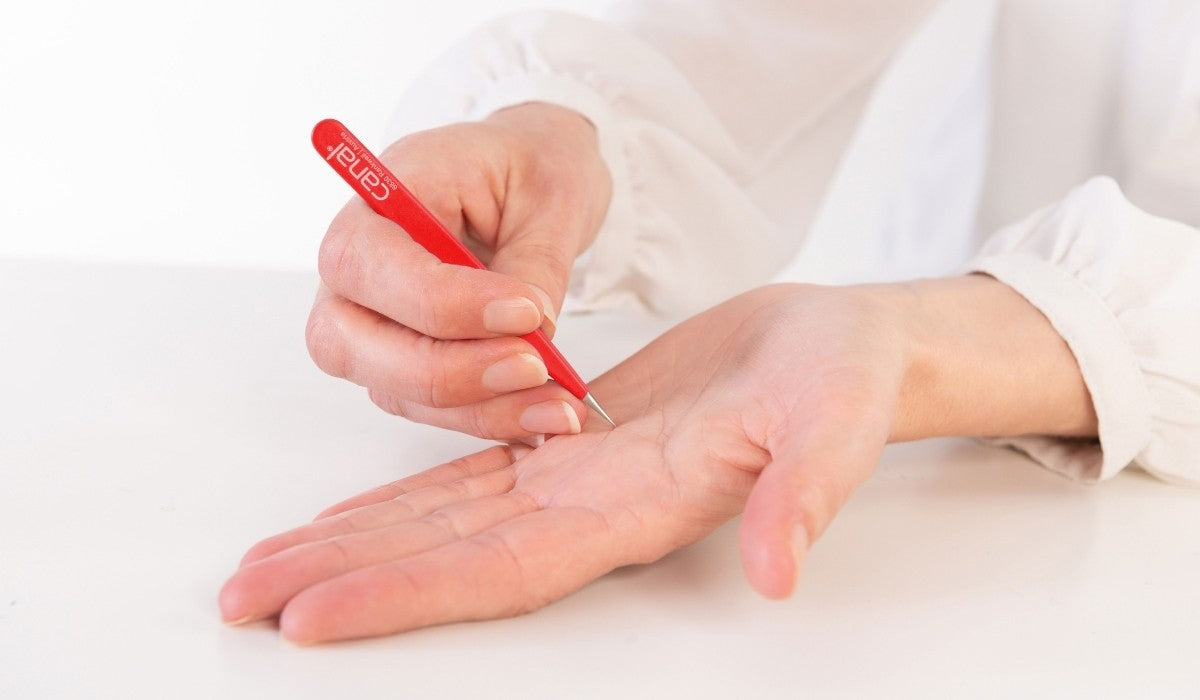
Remove splinters & ingrown hairs
Splinters or ingrown hairs are both minor occurrences that can happen quickly in everyday life – and yet can become really unpleasant. They sting, pull, or become inflamed and are typical areas where it's better to work carefully and precisely. However, with the right instruments, you can easily remove splinters and ingrown hairs yourself: cleanly, controlled, and without unnecessary skin irritation.
Why Splinters and Ingrown Hairs Occur
Splinters are easily picked up – when working with wood, handling rough objects, or even walking barefoot in the garden. A tiny chip or thorn is enough for it to embed itself in the skin. Often, you only notice it when the area becomes tender to the touch.
Ingrown hairs usually occur after shaving or hair removal. The hair fails to grow through the skin's surface, bends sideways, and remains trapped under the skin. The result is a small bump, sometimes with redness or slight pain.
Neither should be squeezed, scratched, or "picked out" with blunt tools – this will only worsen the irritation. With the right precision instruments, removal can be gentle and controlled.
Splinter removal - precise and without pressure
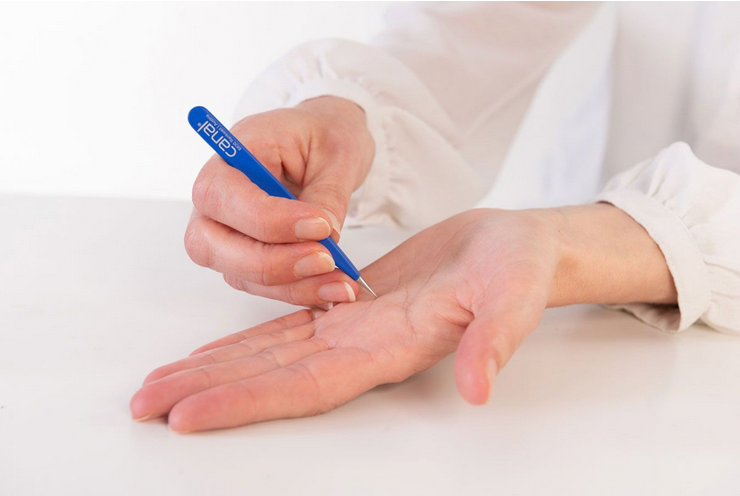
If you need to remove a splinter, you need a tool that can grip extremely finely without pinching the skin.
The splinter forceps are ideal for this.
They offer you:
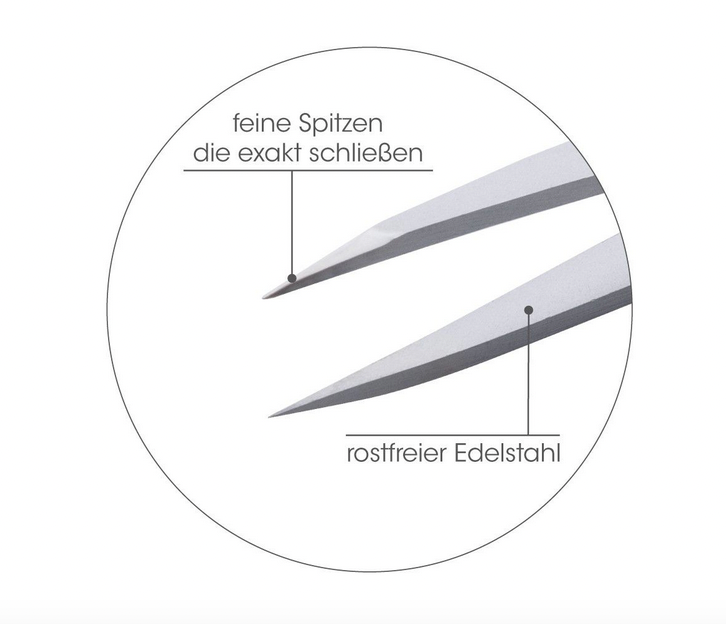
> very fine, pointed gripping surfaces
> maximum control over tiny particles
> a secure grip without slipping
> hygienic, rust-free stainless steel material
This allows you to precisely grip and remove even the smallest splinters of wood, metal, or glass – without unnecessary skin injuries.
Expose and gently remove ingrown hairs
Ingrown hairs are often just under the skin and require some finesse. The slant-tip tweezers are perfect for this.
With them, you can:
> gently lift the skin without injuring it
> carefully expose the hair
> precisely grasp the hair at its base
> cleanly and completely pull out the hair
The combination of a slanted and pointed shape makes these tweezers an ideal tool for ingrown hairs on all body parts – from the bikini line to the legs or armpits.
Regular price
€ 19,90
Sale price
Regular price
Tax included.
Combined tweezers for ingrown hairs
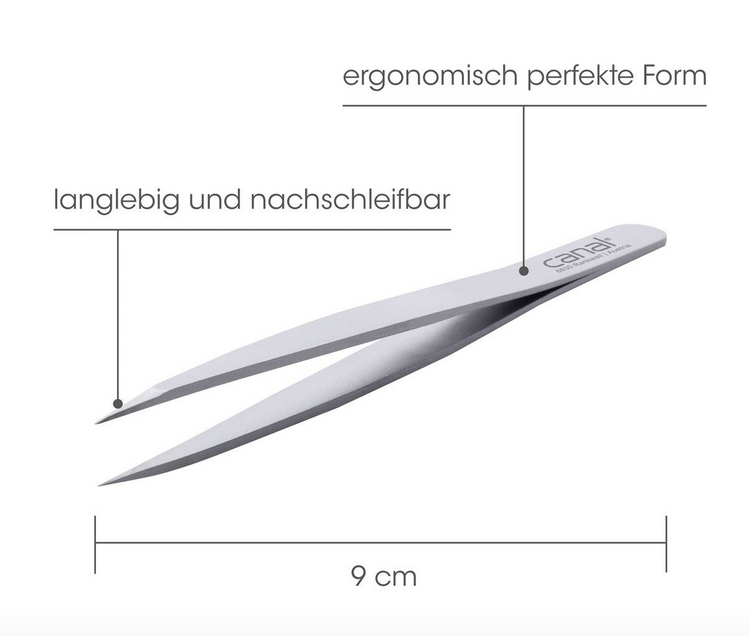
These Canal tweezers combine angled and pointed shapes for maximum precision.
Your advantages at a glance:
Ideal for ingrown hairs
Combined tip shape
Hygienic and durable
Product details
Material: stainless steel
Dimensions: 9 x 0.8 x 0.5 cm
These Canal tweezers combine angled and pointed shapes for maximum precision.
Your advantages at a glance:
Ideal for ingrown hairs
Combined tip shape
Hygienic and durable
Product details
Material: stainless steel
Dimensions: 9 x 0.8 x 0.5 cm
3251 in stock
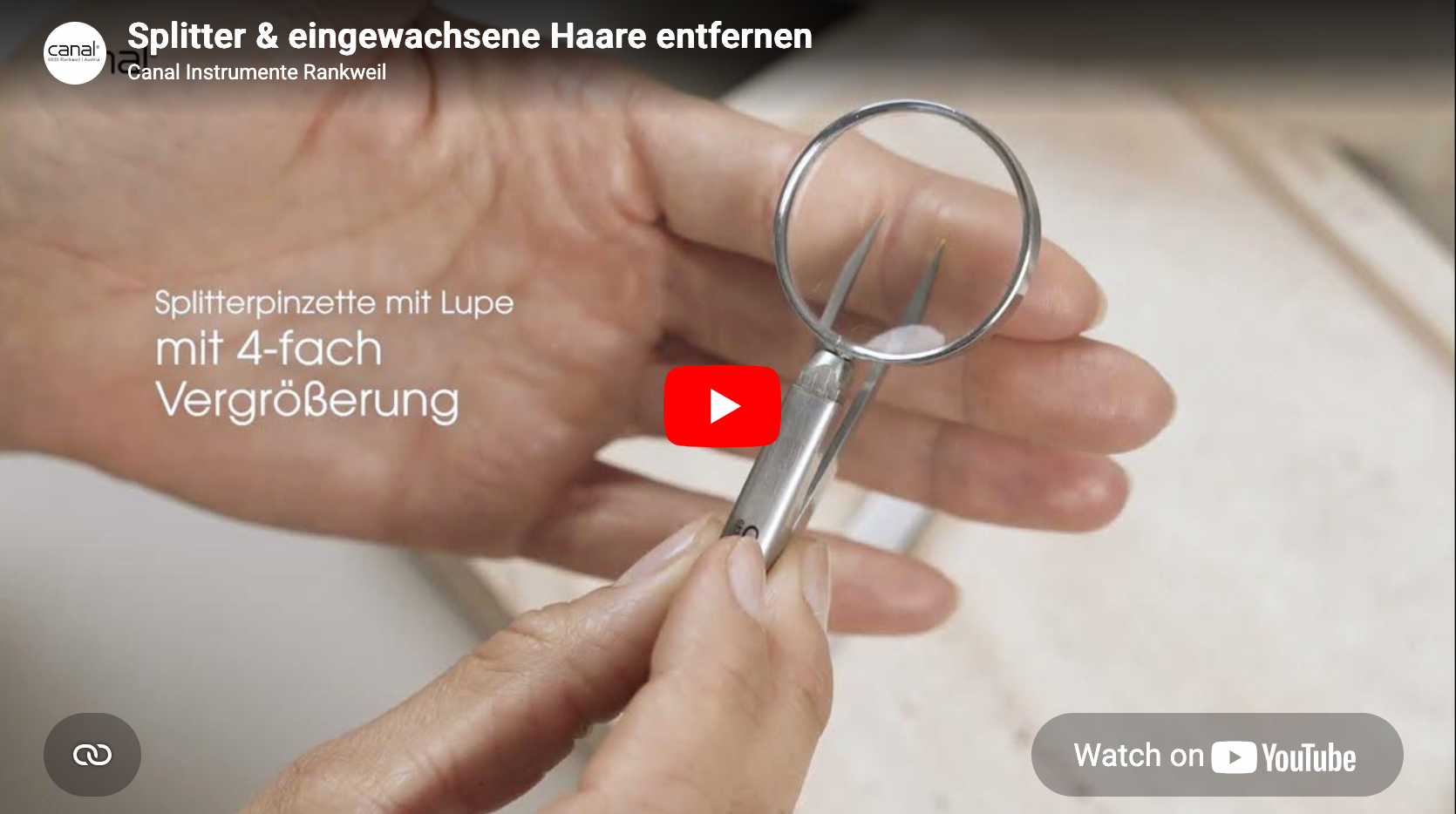
If you have to look very closely
Sometimes you see an ingrown hair or a tiny splinter, but not clearly enough to grasp it securely.
This is where the magnifying tweezers come in handy.
They offer you:
> integrated magnification directly at the gripping point
> perfect view of the smallest details
> secure control for precision work
> even gentler removal because you see more clearly
They are particularly practical for very fine hairs, small splinters, or delicate areas where you need to know exactly where you are applying them.
Regular price
€ 19,90
Sale price
Regular price
Tax included.
Splinter tweezers with magnifying glass for maximum precision
These Canal tweezers enable precise work even with the smallest splinters.
Your advantages at a glance:
Includes 4x magnifying glass
Securely grips the finest splinters
Hygienic and durable
Product details
Material: stainless steel
Dimensions: 12 x 0.8 x 0.5 cm
These Canal tweezers enable precise work even with the smallest splinters.
Your advantages at a glance:
Includes 4x magnifying glass
Securely grips the finest splinters
Hygienic and durable
Product details
Material: stainless steel
Dimensions: 12 x 0.8 x 0.5 cm
How to properly prepare the skin
Before removing a splinter or an ingrown hair, you should thoroughly prepare the skin. First, clean the area with warm water or a mild soap to remove dirt and bacteria. A soft, warm compress or a short warm hand or foot bath will make the skin more supple and significantly ease the removal of the splinter or hair. Also, ensure good lighting – the better you can see, the more precisely you can work. It's also crucial to disinfect your instruments beforehand. Stainless steel can be cleaned quickly and reliably, allowing you to work hygienically and safely.
Aftercare - soothing the skin
After you have removed the splinter or ingrown hair, the skin needs some rest. Gently clean the area again and apply a mild disinfectant to prevent inflammation. A soothing cream or aloe vera helps to relax the skin and reduce any redness. For a few hours, avoid friction, makeup, or heavy strain on the treated area so that the skin can recover and not become irritated again.
FAQ
Which tweezers are best for eyebrows?
Which tweezers are best for eyebrows?
For precise work, a slanted tweezer made of stainless steel is suitable: It grips individual hairs securely without irritating the skin. For sensitive skin, a rounded tweezer is ideal. A straight tweezer helps to neatly pre-shape lines.
How do I recognize high-quality tweezers?
How do I recognize high-quality tweezers?
Look for rust-free stainless steel, precisely ground gripping surfaces, clean closing edges, and ergonomic spring action. Our models are durable, hygienic, easy to clean, and retain their precision even with frequent use.
How do I pluck with less pain and skin irritation?
How do I pluck with less pain and skin irritation?
Pluck in the direction of hair growth and stretch the skin gently. It's best to start after a warm shower, as this opens the pores. A short, targeted pull reduces irritation. Afterwards, cool briefly and
apply a soothing cream.
How often should I pluck my eyebrows?
How often should I pluck my eyebrows?
This depends on hair growth. Usually, a quick tweezing every 7–14 days is sufficient. Only remove new fine hairs and check for symmetry in the mirror occasionally.
How do I properly clean and disinfect my tweezers?
How do I properly clean and disinfect my tweezers?
After each use, remove any hair and then clean and disinfect with a little alcohol or suitable disinfectant spray. Allow to dry and store in a protective sleeve. Stainless steel is corrosion-resistant and therefore particularly hygienic.
What to do about sparse or "over-plucked" brows?
What to do about sparse or "over-plucked" brows?
First, take a break and let them grow back. In the transitional period, only minimally correct the shape and, if necessary, fill in with powder or a pencil. A pointed precision tweezer is particularly suitable for individual fine hairs.
Which tweezer shape is right for me – rounded, slanted, or straight?
Which tweezer shape is right for me – rounded, slanted, or straight?
Slanted: All-rounder for precise plucking. Rounded: For sensitive skin, as it prevents pinching during plucking. Straight: For clear lines and preliminary work. Many customers combine two shapes for a perfect result.